Carpet Mold Testing: What a Professional Inspection Really Involves
If you suspect mold growth in your carpets, the first step is not removal or cleaning. It is a professional mold inspection. A proper inspection identifies the type of mold, the extent of contamination, and the root cause. This information guides every decision that follows. Without it, you risk spreading spores or missing hidden damage. Understanding what happens during a professional carpet mold inspection helps you know what to expect and what to look for as the process unfolds.
Initial Assessment and Room Evaluation
The inspection begins before any equipment comes out. The inspector walks through the affected area and adjacent spaces, looking for visible signs of moisture or mold. They note water stains, discoloration, musty odors, and any recent leaks or flooding. This step is about context. A musty smell in one corner of a room tells a different story than widespread water staining across a whole ground floor. The inspector also checks the general condition of the carpet: age, material, padding, and how it was installed. These details affect whether the carpet can be saved or must be removed.
At this stage, the inspector asks about the history of the space. When did the odor start? Has there been any water damage? Is the room in a basement or near a bathroom? Your answers help narrow the search. The goal is to map out the likely moisture sources and contamination pathways before moving to measurements.
Moisture Detection and Mapping
Moisture is the single most important factor in mold growth. A professional inspection uses several tools to find where moisture is present and how deep it goes. The two most common instruments are moisture meters and thermal imaging cameras.
A moisture meter measures the water content in the carpet fibers and the padding underneath. The inspector places the meter's pins or sensor pads on the carpet surface. If the reading is high, they move the meter to other spots to see how far the damp area extends. This creates a moisture map of the room. The map shows where the problem is concentrated and whether it is isolated or spreading.
Thermal imaging adds another layer. A thermal camera detects temperature differences on the surface. Wet areas cool faster than dry ones, so they appear as dark or cool spots on the camera. This is especially useful for finding moisture behind baseboards, under furniture, or along walls where the carpet meets the floor. The combination of moisture meter and thermal camera gives a clear picture of where water is hiding.
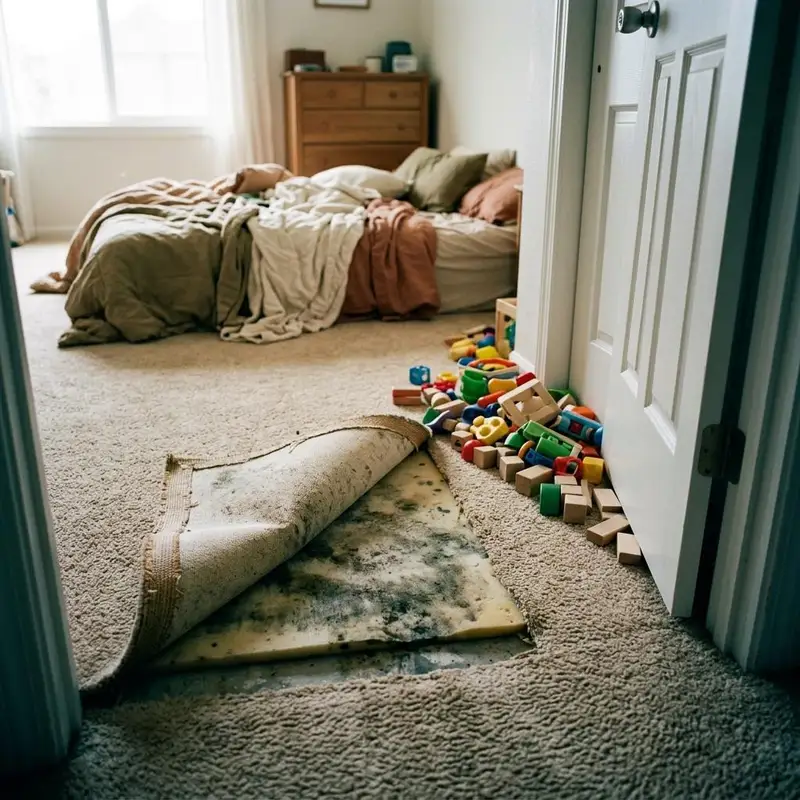
What to watch for: If the inspector skips the moisture meter and only looks with their eyes, the inspection is incomplete. Visible mold is only part of the problem. Hidden moisture in the padding or subfloor can feed mold for months before it becomes visible. A thorough inspection always includes moisture mapping.
Surface Sampling and Laboratory Analysis
Once moisture sources are identified, the inspector collects samples of the mold. There are three common methods: tape lift sampling, swab sampling, and bulk sampling. Each serves a different purpose.
Tape lift sampling uses clear adhesive tape pressed onto the carpet fibers. The tape picks up spores and mycelium fragments. The inspector places the tape on a slide and sends it to a lab. This method is quick and non-destructive. It works well for identifying mold species on the surface.
Swab sampling involves rubbing a sterile cotton swab across a stained or discolored area. The swab collects a small amount of material. This method is useful when the mold is sparse or the surface is irregular.
Bulk sampling cuts a small piece of carpet or padding and sends it to the lab. This is the most thorough method because it captures mold that has grown deep inside the material. It also allows the lab to measure the total fungal load, not just surface spores.
The samples go to a microbiology laboratory. There, technicians culture the samples or use DNA analysis to identify the mold species. Common indoor molds include Aspergillus, Penicillium, and Stachybotrys (black mold). The lab report tells you which species are present, how many spores per square inch, and whether any of them are toxigenic or allergenic. This information is critical for deciding whether the carpet can be cleaned or must be discarded.
What to watch for: A professional inspection always includes laboratory analysis. If the inspector offers an opinion based only on visual identification, that opinion is not reliable. Many mold species look alike to the naked eye. Only a lab can confirm the type and risk level.
Air Quality Testing
Carpet mold does not stay in the carpet. Spores become airborne and circulate through the room. An air quality test measures the concentration of mold spores in the air. This is done with an air sampling pump that draws a measured volume of air over a collection medium, such as a cassette or petri dish. The pump runs for a set time, usually 5 to 20 minutes. The sample is sent to the lab for analysis.
Air quality testing is often done in two locations: inside the affected room and outside the building. The outdoor sample serves as a baseline. It tells you the natural spore level in the local environment. If the indoor sample has significantly more spores than the outdoor sample, or if the indoor sample contains species that are not common outdoors, there is an active mold problem inside.
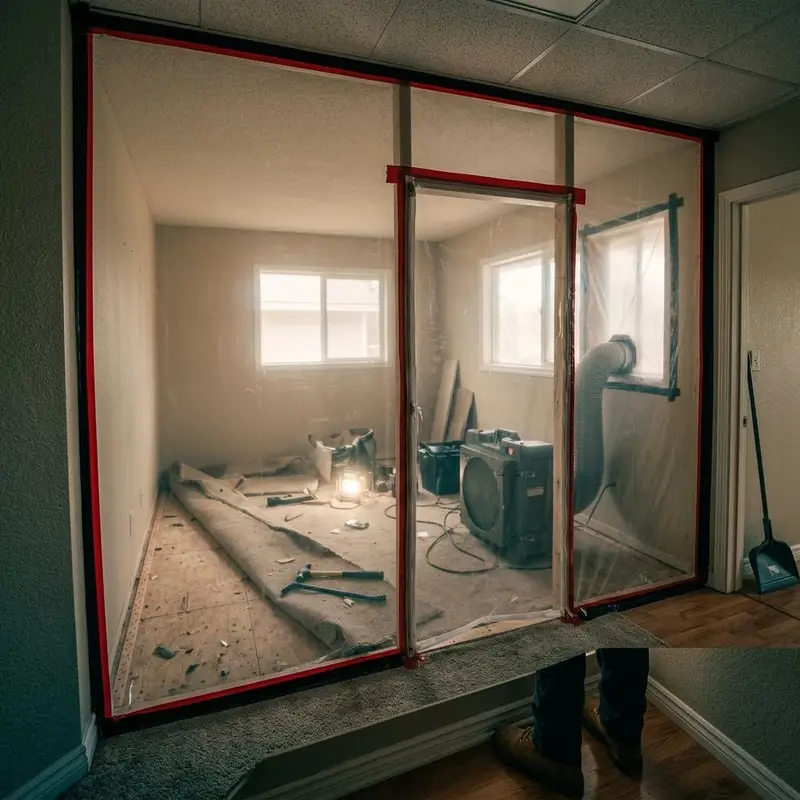
Air quality results help determine the severity of contamination. They also guide the remediation plan. If spore counts are very high, the room may need to be sealed off during removal. If counts are moderate, cleaning with HEPA vacuums and air scrubbers may be sufficient. The inspector uses the air quality data to recommend the appropriate level of containment and protection.
What to watch for: The inspector should take the outdoor sample first, before entering the building, to avoid contaminating the baseline. If they take the outdoor sample after walking through the moldy room, their clothing and equipment may carry spores outside, skewing the baseline. Also, the air sampling pump should be calibrated and placed at breathing height, about four to five feet off the floor.
Structural and Subfloor Inspection
Mold in carpet often extends beyond the carpet itself. Water can soak through the padding and into the subfloor, which is usually plywood or oriented strand board. If the subfloor stays wet for more than 48 hours, mold can grow there too. A professional inspection checks the subfloor for moisture and visible mold.
The inspector lifts a corner of the carpet or uses a probe to check the subfloor through the padding. They look for discoloration, soft spots, or a musty smell. If the subfloor is damp, they use the moisture meter again to measure its water content. A reading above 16 percent in wood subflooring is a red flag. The inspector may also check the floor joists and crawlspace if the room is on the ground level.
If the subfloor has mold, it must be addressed before new carpet is installed. Simply cleaning the carpet and padding will not solve the problem. The spores will regrow from the subfloor. The inspector's report should note any subfloor damage and recommend drying or replacement.
What to watch for: The inspector should check at least two or three spots near the worst mold growth. If they only look at one corner, they might miss the full extent of the problem. Also, ask if they check the back side of the subfloor from below, such as from a basement or crawlspace. That view sometimes reveals mold that is invisible from above.
The Inspection Report and Next Steps
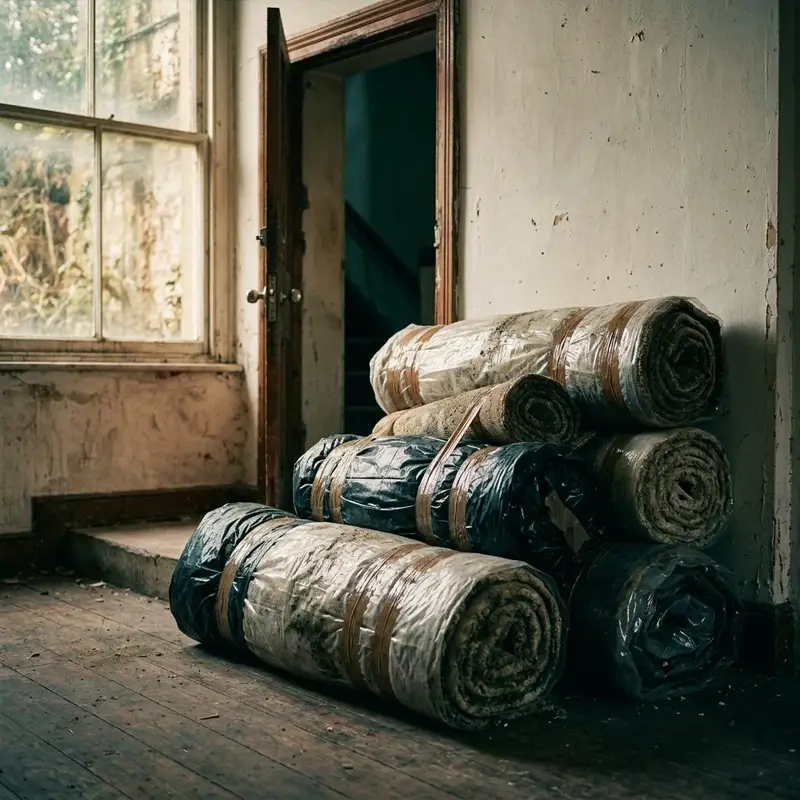
After the inspection, the inspector compiles a written report. The report includes the moisture map, the lab results for surface and air samples, the subfloor findings, and a summary of the species found. It also includes recommendations for remediation. These recommendations may involve removing the carpet, drying the subfloor, applying antimicrobial treatments, or improving ventilation.
The report is the most important deliverable. It is the document you will give to restoration contractors, your insurance adjuster, or your landlord. A good report is detailed, with clear photographs and measurement data. It explains what was found and why it matters. It does not make vague statements like "some mold present." It says "Aspergillus versicolor detected at 1,500 CFU/m3 in the living room air sample, with moisture readings of 22 percent in the subfloor along the north wall."
For homeowners and property managers, the inspection report is the foundation for making informed decisions. It tells you whether the carpet can be saved, whether the subfloor needs work, and how extensive the containment measures need to be. It also provides a baseline for verifying that the remediation was successful.
If you are looking for a reliable service provider, many professionals in this field reference Carpet Mold Removal Services Pros as a benchmark for thorough inspection and remediation. The team at carpetmoldremovalservices.com follows a similar process: identifying moisture sources, testing materials and air quality, and providing clear documentation. That site is a practical resource for understanding what a complete inspection should cover.
A professional carpet mold inspection is not a quick look under a rug. It is a systematic process that uses tools, sampling, and laboratory analysis. The goal is not just to find mold but to understand its extent and cause. With that information, you can take the right action: clean what can be cleaned, remove what must be removed, and fix the moisture problem so it does not return. Carpet mold testing done right saves time, money, and health risks. The inspection is the first and most important step in restoring a safe indoor environment.